Optimal Timing for Parking Lot Paving
Scheduling parking lot paving projects at optimal times can ensure better results and longevity. Weather conditions play a crucial role in paving quality, influencing curing times and material performance.
Late spring and early fall are ideal for paving due to moderate temperatures and lower precipitation, which facilitate proper curing.
Paving should be done when daytime temperatures are consistently between 50°F and 85°F for optimal asphalt compaction.
Avoid paving during rainy or extremely humid periods to prevent surface imperfections and delays in curing.
Scheduling during dry, mild weather reduces the risk of delays and ensures a durable, smooth surface.
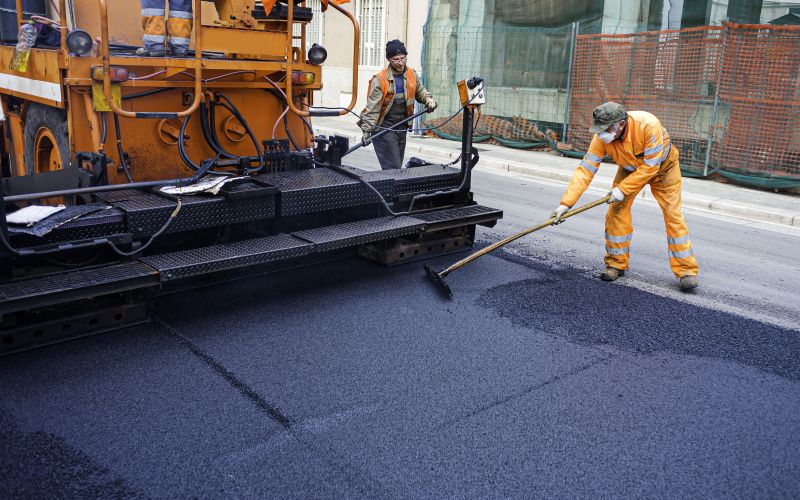
Heavy machinery laying asphalt during optimal weather conditions.
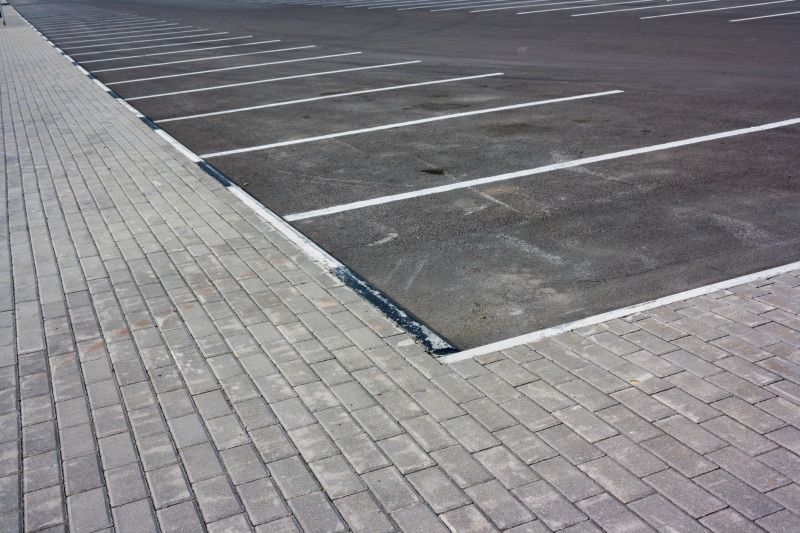
Finished parking lot with a clean, even surface after proper paving.
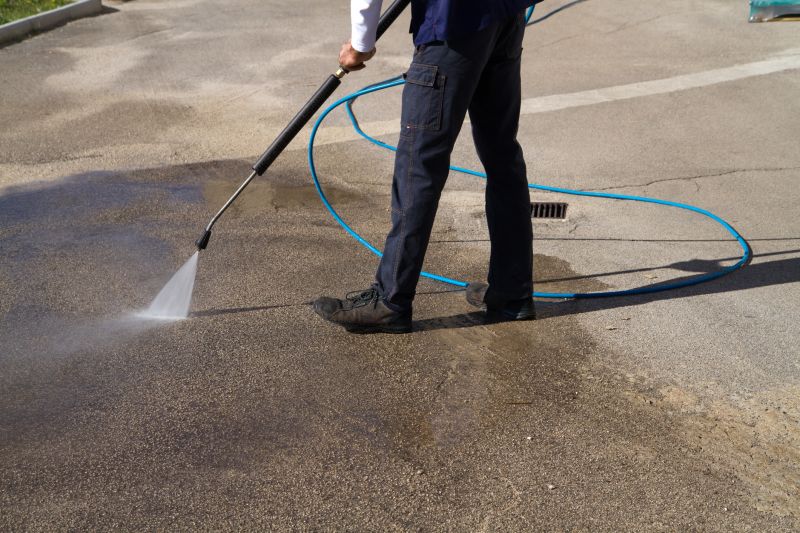
Technicians assessing weather conditions before paving.
Ways to make Parking Lot Pavings work in tight or awkward layouts.
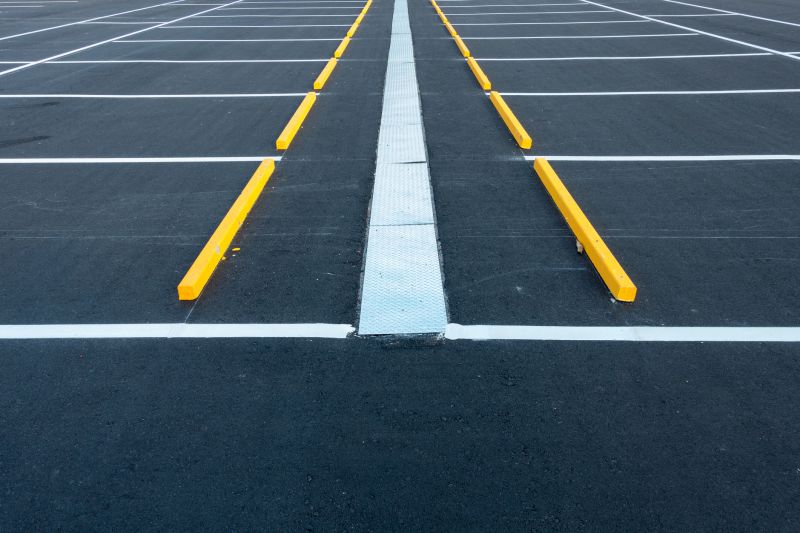
Popular materials for Parking Lot Pavings and why they hold up over time.
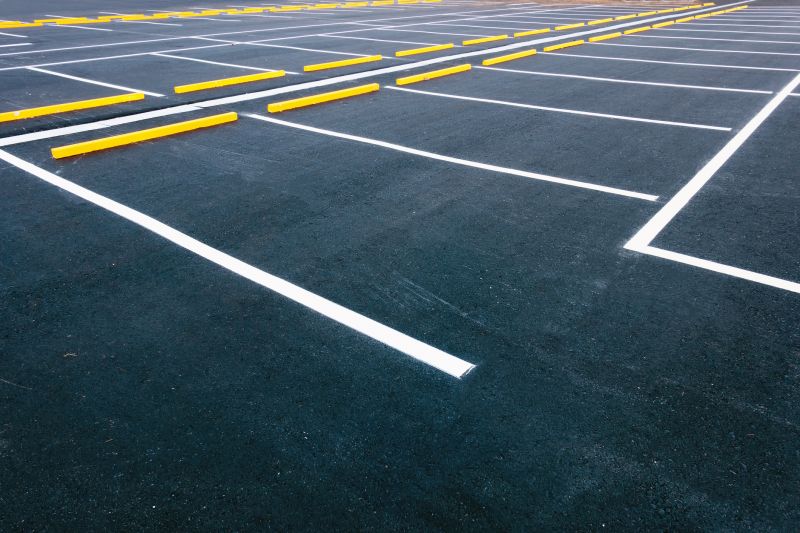
Simple add-ons that improve Parking Lot Pavings without blowing the budget.
Parking lot paving is a critical component of property management, affecting safety, aesthetics, and accessibility. Proper timing ensures the durability of the surface, reducing maintenance costs and minimizing disruptions. Asphalt paving, when scheduled during favorable weather, provides a smooth, long-lasting surface that withstands heavy traffic and environmental stresses.
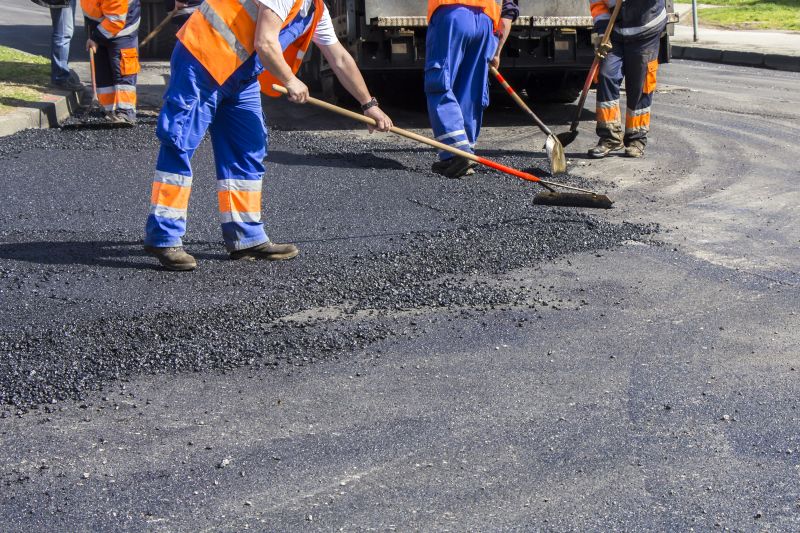
Workers laying asphalt during suitable weather conditions.
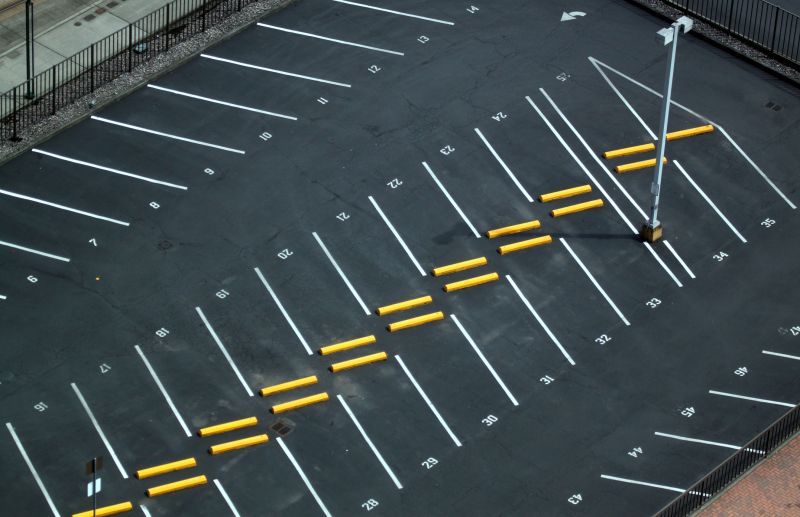
A newly paved parking lot ready for use.
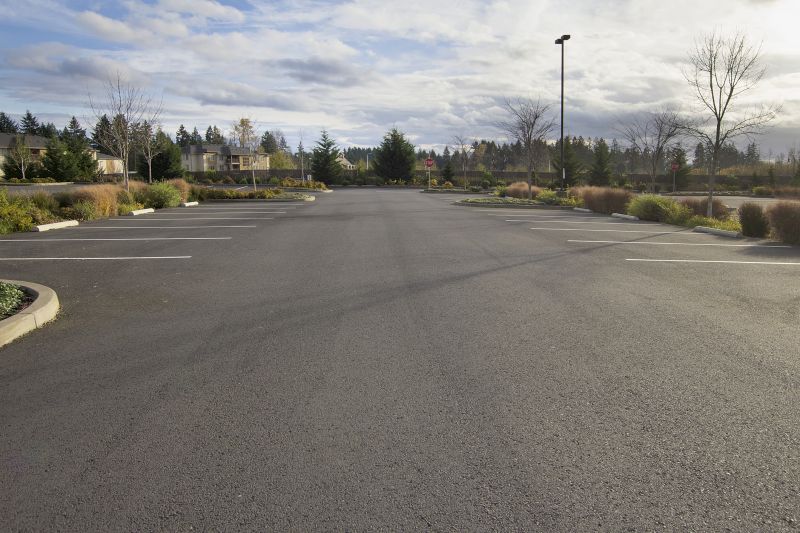
Scheduling paving projects based on seasonal weather forecasts.
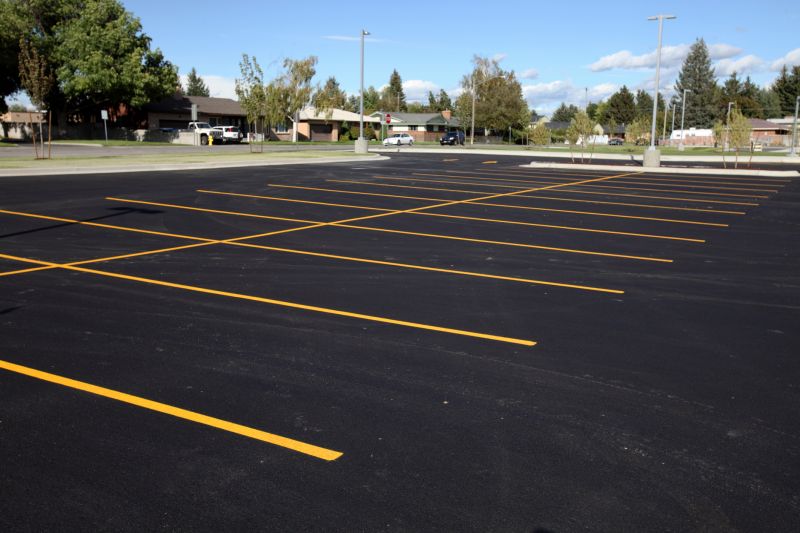
Inspectors ensuring paving meets standards in optimal conditions.
High-end options that actually feel worth it for Parking Lot Pavings.
Finishes and colors that play nicely with Parking Lot Pavings.
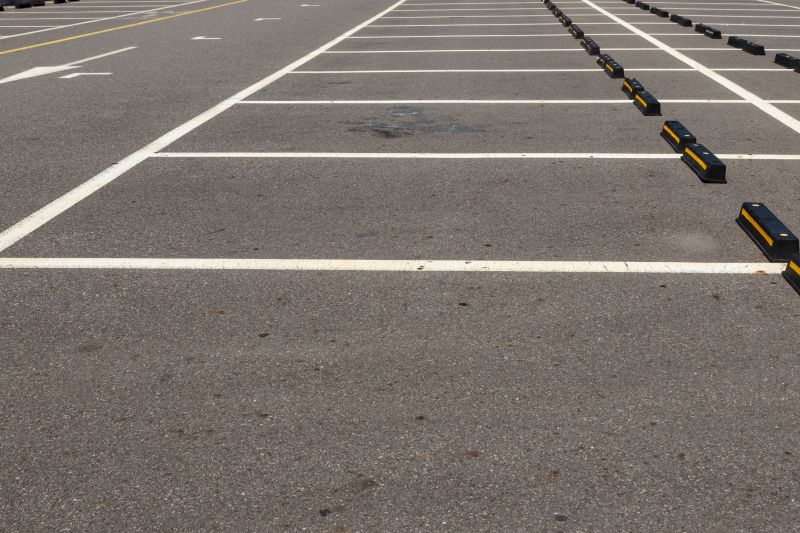
Little measurements that prevent headaches on Parking Lot Pavings day.

A 60-second routine that keeps Parking Lot Pavings looking new.
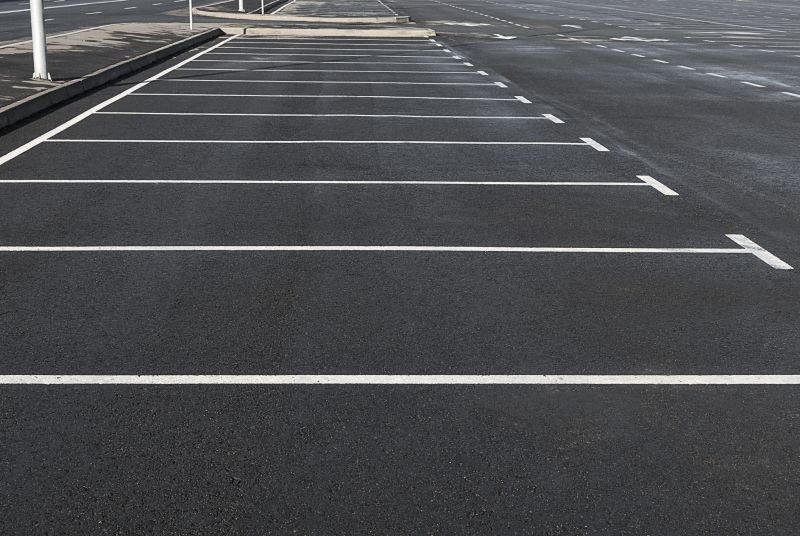
A frequent mistake in Parking Lot Pavings and how to dodge it.
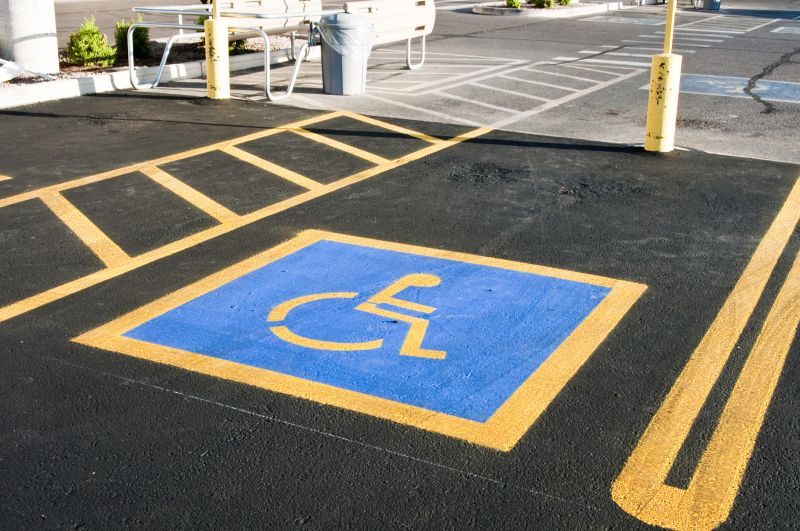
Small tweaks to make Parking Lot Pavings safer and easier to use.
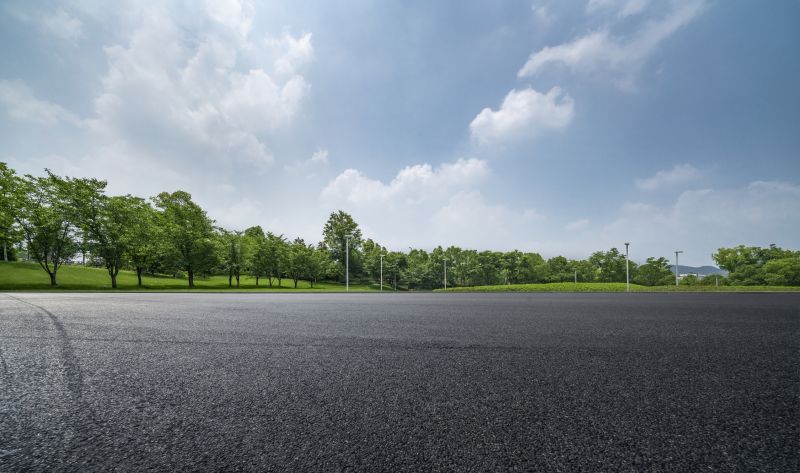
Lower-waste or water-saving choices for Parking Lot Pavings.
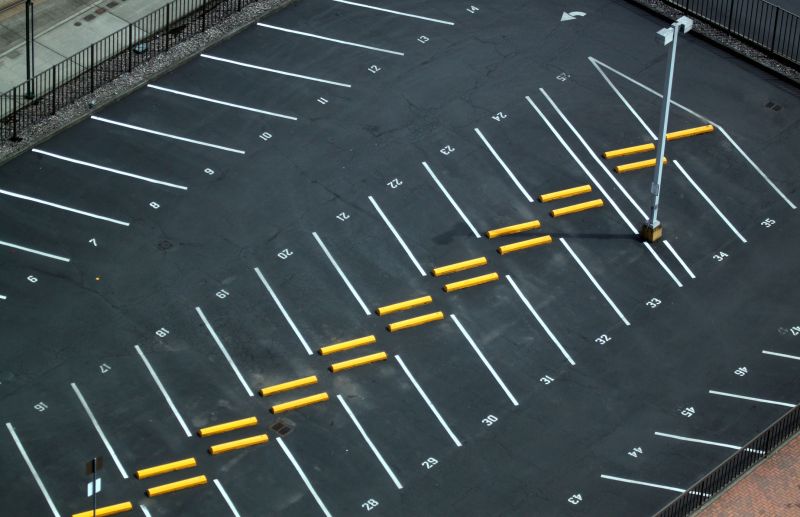
The short, realistic tool list for quality Parking Lot Pavings.
| Aspect | Details |
|---|---|
| Best Seasons | Late spring and early fall |
| Ideal Temperatures | 50°F to 85°F |
| Weather Conditions to Avoid | Rain, high humidity, extreme heat or cold |
| Scheduling Tips | Plan during dry, mild weather |
| Benefits of Proper Timing | Enhanced durability, smoother surface, fewer repairs |
| Common Issues When Timing Is Off | Cracking, potholes, surface deformation |
Choosing the right time for parking lot paving can significantly impact the project’s success. Proper scheduling, considering weather and temperature, ensures a durable surface that meets safety and aesthetic standards. Planning ahead and monitoring weather forecasts can help avoid delays and subpar results.
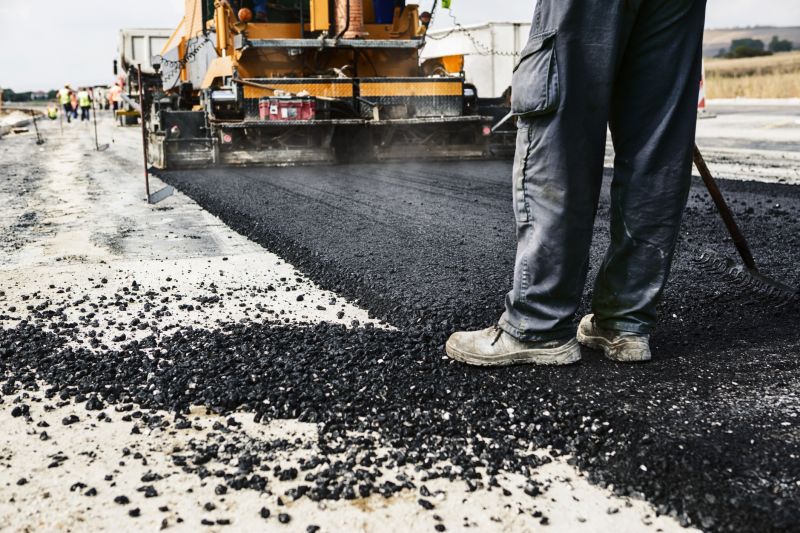
Asphalt paver laying surface during optimal conditions.
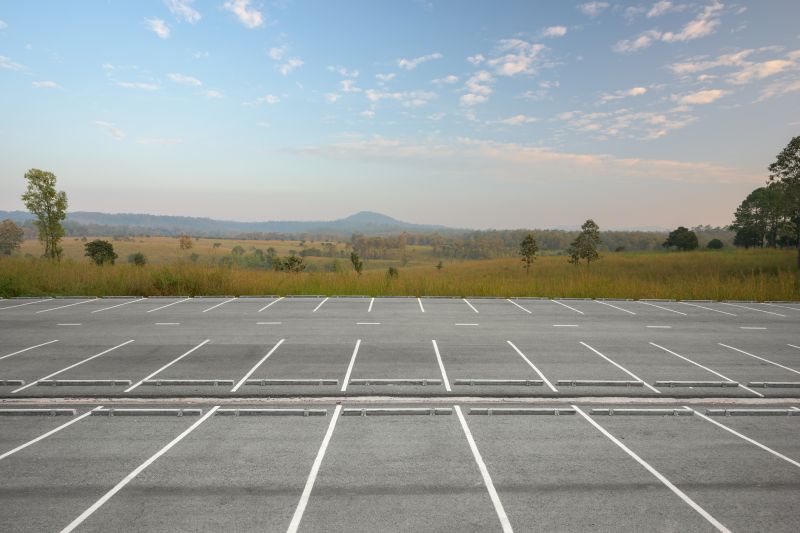
A well-paved parking lot ready for use.
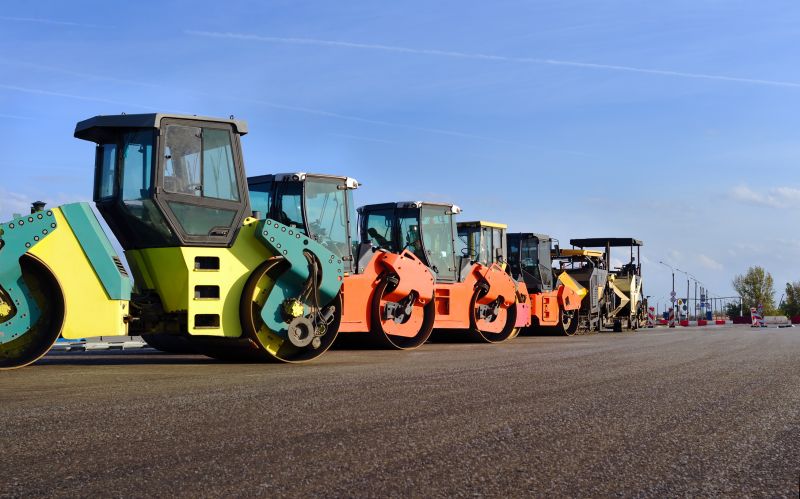
Technicians reviewing weather data before paving.
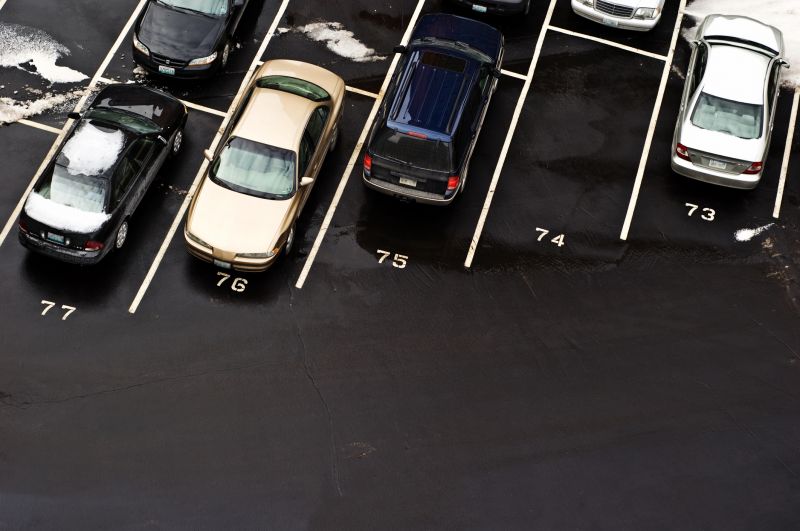
Close-up of durable asphalt surface after proper paving.
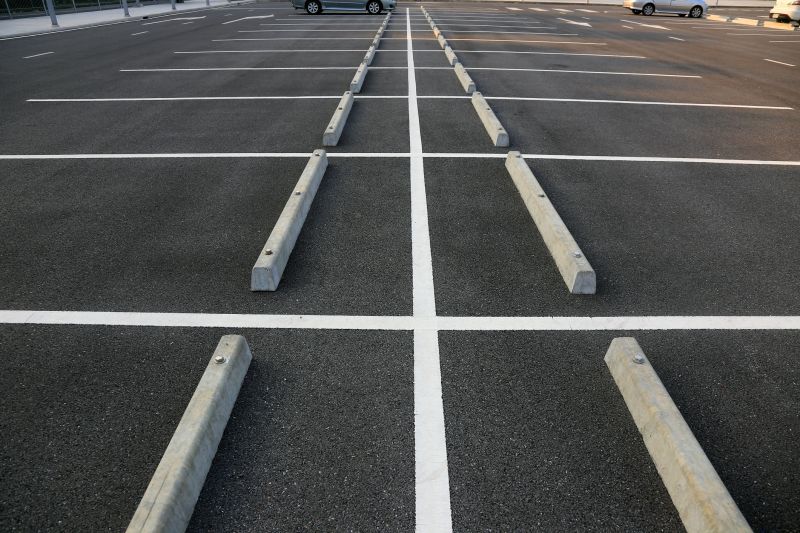
Rough timing from prep to clean-up for Parking Lot Pavings.

Quick checks and paperwork to keep after Parking Lot Pavings.
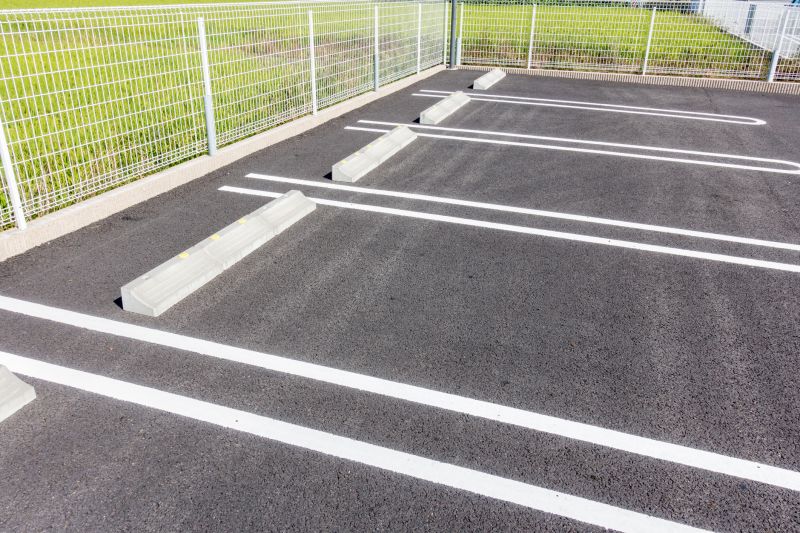
Examples that show the impact a good Parking Lot Pavings can make.
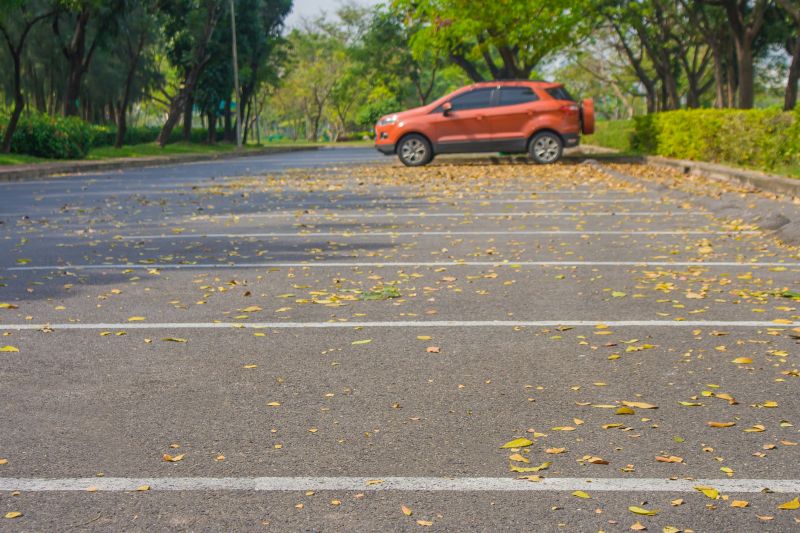
Ways to make Parking Lot Pavings work in tight or awkward layouts.
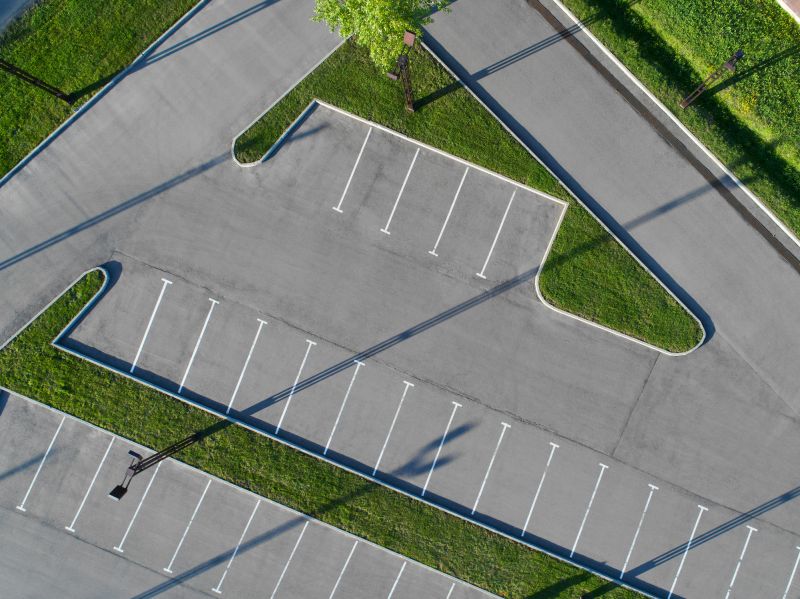
Ways to make Parking Lot Pavings work in tight or awkward layouts.
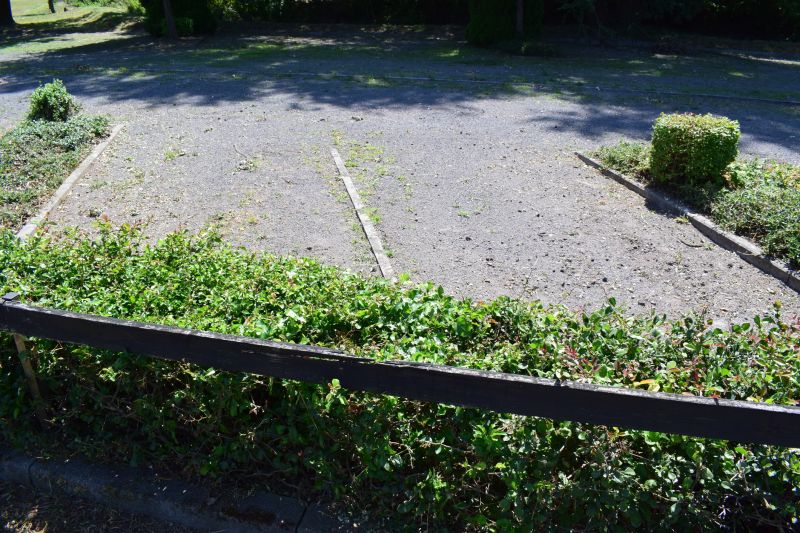
Ways to make Parking Lot Pavings work in tight or awkward layouts.
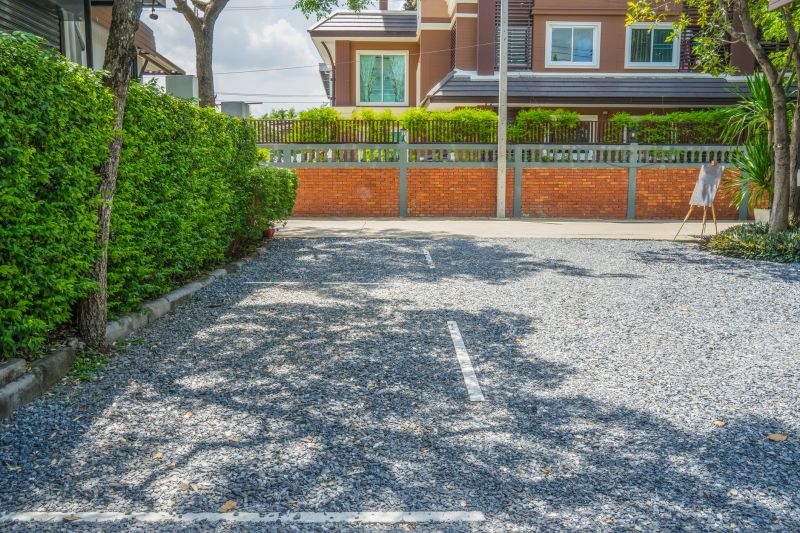
Ways to make Parking Lot Pavings work in tight or awkward layouts.
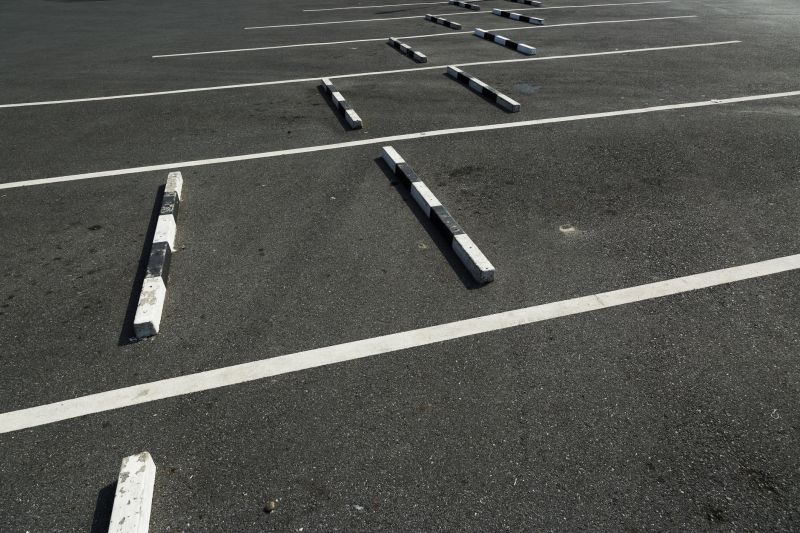
Ways to make Parking Lot Pavings work in tight or awkward layouts.
Interested in scheduling a parking lot paving project? Contact for more information and to discuss the best timing for your specific needs. Properly timed paving can enhance property value and ensure a long-lasting, safe surface.