
Favorite Parking Lot Paving Materials for Seamless and Safe Surfaces
Explore paving solutions that prioritize safety, smoothness, and ease of use for parking lot environments.
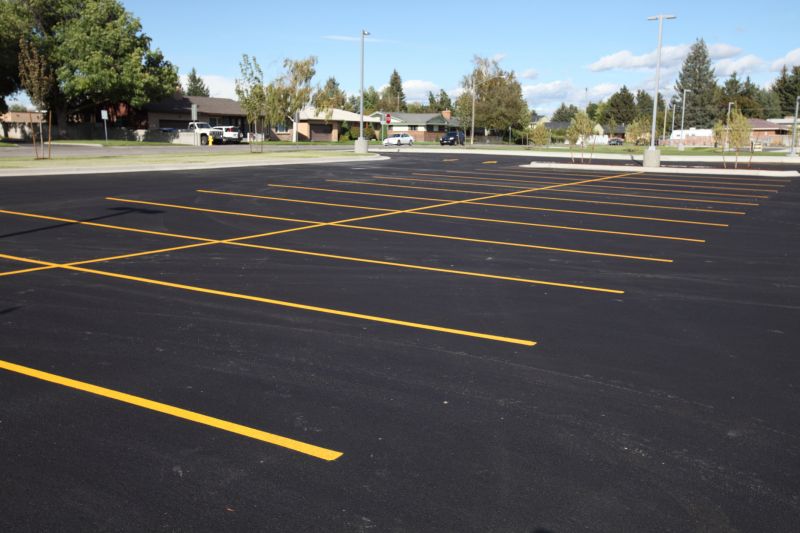 Parking lot paving products encompass a wide range of materials and solutions designed to create durable, safe, and functional surfaces for vehicle access and parking. These products are essential in establishing a stable foundation that can withstand the weight of vehicles, resist weathering, and minimize maintenance needs. The selection of appropriate paving materials depends on various factors including traffic volume, climate conditions, budget, and aesthetic preferences. From traditional asphalt and concrete to innovative paving grids and permeable systems, there is a broad spectrum of options to suit different project requirements.
Top Overall Option
High-Quality Asphalt Mix
A versatile and widely used parking lot paving material, high-quality asphalt mixes offer a smooth, durable surface suitable for various traffic conditions. They are relatively straightforward to install and maintain, making them a practical choice for many projects. When properly installed and sealed, asphalt can provide an effective surface that accommodates vehicle loads and resists surface wear. Its flexibility also allows for easier repairs and patching compared to other materials, contributing to a longer service life when maintained appropriately.
Types of Products For Parking Lot Pavings
Asphalt Mixes
Standard asphalt mixes are commonly used for parking lot surfaces due to their affordability and ease of installation.
Concrete Pavers
Precast concrete pavers provide a durable and aesthetically versatile option for parking areas.
Permeable Paving Systems
These systems allow water to pass through the surface, helping to manage stormwater runoff effectively.
Interlocking Concrete Blocks
Designed for easy installation and repair, these blocks are suitable for various parking lot layouts.
Gravel and Crushed Stone
A cost-effective and simple solution often used for temporary or low-traffic parking areas.
Paving Grids
Plastic or concrete grids that reinforce gravel surfaces and improve load distribution.
Sealcoats
Surface treatments applied to asphalt to protect against weathering and surface wear.
Resin Bound Surfaces
A seamless, permeable paving option that combines resin with aggregates for durability and aesthetics.
Asphalt Overlays
Layers of asphalt applied over existing surfaces to restore smoothness and extend lifespan.
Concrete Slabs
Solid concrete slabs provide a heavy-duty surface suitable for high-traffic parking lots.
Bituminous Surfaces
A flexible paving material used in various configurations for parking lot surfaces.
Modular Paving Tiles
Interlocking tiles that can be easily installed and replaced, offering design flexibility.
Roller-Compacted Concrete
A fast-installation concrete option that offers high durability with minimal finishing.
Stone Pavers
Natural stone pavers add aesthetic appeal and durability to parking lot surfaces.
Polymer-Modified Asphalt
Enhanced asphalt formulations that improve flexibility and resistance to cracking.
Recycled Asphalt Products
Utilize recycled materials for sustainable paving options with good performance characteristics.
Drainage Mats
Support systems that facilitate water movement beneath paving surfaces, reducing pooling.
Polymer Pavers
Synthetic pavers offering high resistance to wear and weathering, suitable for decorative and functional purposes.
Popular Choices
Widely used for its affordability and ease of installation, asphalt remains a common choice for parking lots.
Popular for their durability and visual appeal, concrete pavers are often selected for high-traffic areas.
Increasingly favored for stormwater management and surface longevity.
Known for their ease of installation and repair, suitable for various layouts.
A cost-effective and quick solution, especially for temporary or low-traffic parking areas.
Aesthetic and permeable, these surfaces are gaining popularity in modern parking designs.
Commonly used to protect asphalt surfaces and extend their service life.
Flexible and easy to replace, these are trending for customizable parking layouts.
Natural stone options are favored for their aesthetic appeal and durability.
Sustainable choice that combines performance with resource efficiency.
Popular for enhancing water runoff and reducing surface pooling.
Chosen for improved flexibility and resistance to cracking in various climates.
A sturdy, high-capacity option for heavy-duty parking areas.
Increasingly used to reinforce gravel and improve load distribution.
A common flexible paving material suitable for diverse parking lot conditions.
Popular for their ease of installation and aesthetic versatility.
A trending permeable surface with a seamless appearance.
Chosen for their timeless appeal and durability in high-traffic areas.
Proper installation and material choice are crucial for ensuring longevity and safety. Asphalt remains a popular choice for its ease of application and cost-effectiveness, while concrete offers strength and durability for high-traffic areas. Permeable paving solutions are gaining attention for their ability to manage stormwater runoff effectively, reducing surface water pooling and erosion. Additionally, modular paving systems provide flexibility for future modifications or expansions, making them suitable for evolving parking lot needs.
Maintenance considerations also influence product selection. Some paving materials require regular sealing or repairs, while others are designed for minimal upkeep. Surface treatments such as sealants can extend the lifespan of asphalt, whereas concrete surfaces might benefit from protective coatings. When choosing paving products, it is important to assess the expected load-bearing requirements, climate resilience, and ease of installation to ensure a long-lasting and functional parking lot surface.
Key Buying Considerations
- Traffic load capacity and anticipated vehicle weight
- Climate conditions and weather resistance
- Budget constraints and long-term cost of maintenance
- Surface durability and lifespan expectations
- Ease of installation and repair requirements
- Aesthetic preferences and design compatibility
- Drainage and water management features
- Surface permeability for stormwater control
- Compatibility with existing infrastructure
- Environmental impact and sustainability considerations
- Material availability and supply chain reliability
- Surface slip resistance and safety features
- Resistance to cracking, potholes, and surface wear
- Flexibility for future modifications or expansions
- Compliance with local building codes and standards